
In 2025, WordPress remains the most widely used content management system, powering over 40% of websites worldwide. However, the role of a WordPress web developer has transformed significantly due to evolving technology, user expectations, and market demands. Today’s developers are no longer just theme customizers—they are strategists, problem-solvers, and innovators who integrate cutting-edge solutions into websites.
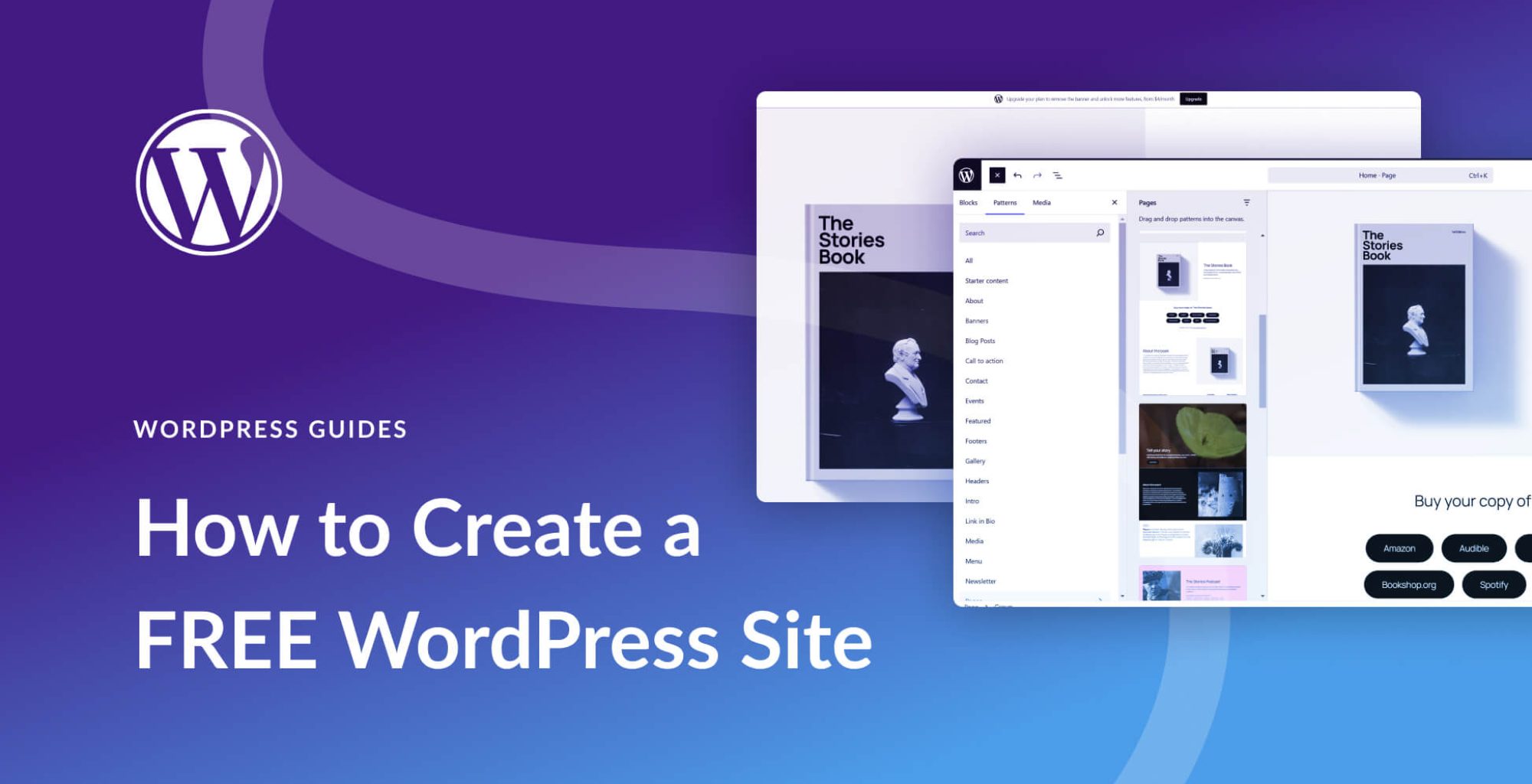
One of the biggest changes is the dominance of Full Site Editing (FSE) and Block Themes. The Gutenberg editor has fully matured, allowing developers to design entire websites through blocks without relying heavily on external page builders. This gives greater flexibility, faster performance, and a more consistent design system. Custom block development has become a high-demand skill.
AI integration is another major trend. Developers now embed AI tools into WordPress websites for automated content creation, intelligent chatbots, product recommendations, and advanced analytics. These features improve user experience and save businesses time and costs. Developers also work with AI APIs to create personalized web experiences that adapt to each visitor in real time.
The Headless WordPress approach has gained popularity. By separating the front end from the backend, developers use modern frameworks like React, Vue, and Next.js to deliver faster, more interactive, and mobile-friendly websites. This trend is particularly strong in e-commerce, news media, and high-performance sites.
Website speed and SEO optimization are also top priorities in 2025. Google’s Core Web Vitals continue to influence search rankings, so developers must ensure that websites load quickly, are mobile-responsive, and meet accessibility standards. Lightweight themes, lazy loading, image compression, and clean code have become standard practice.
E-commerce, powered largely by WooCommerce, remains a booming sector. Developers are building online stores with AI-driven recommendations, one-click checkout, multi-payment options, and strong security. Online transactions now require advanced encryption and fraud detection to protect both businesses and customers.
Security in general is a critical focus. Developers must safeguard websites from cyberattacks with multi-factor authentication, firewall protection, and regular vulnerability checks. Compliance with global data privacy laws like GDPR is now a standard part of development.
Finally, sustainable web development is emerging as a priority. Developers are optimizing sites to use fewer server resources, choosing eco-friendly hosting, and creating efficient code to lower the carbon footprint of websites.
In conclusion, WordPress web development in 2025 is a blend of creativity, innovation, and technical mastery. Developers who embrace Full Site Editing, AI integration, headless architecture, performance optimization, and sustainability will be the most in-demand professionals in this evolving digital landscape.